English
- English
-
 Español
 -
 Português
 -
 русский
 -
 français
 -
 日本語
日本語 -
 Deutsch
 -
 Tiếng Việt
 -
 Italiano
 -
 Nederlands
 -
 ไทย
ไทย -
 Polski
 -
 한국어
한국어 -
 Svenska
 -
 magyar
 -
 Malay
Malay -
 বাংলা
বাংলা -
 Dansk
Dansk -
 Suomi
Suomi -
 हिन्दी
 -
 Pilipino
 -
 Türk
Türk -
 Gaeilge
 -
 عربى
عربى -
 Indonesia
 -
 norsk
norsk -
 اردو
اردو -
 čeština
 -
 Ελληνικά
 -
 Українська
 -
 Javanese
 -
 فارسی
فارسی -
 தமிழ்
தமிழ் -
 తెలుగు
 -
 नेपाली
 -
 Burmese
 -
 български
 -
 ລາວ
ລາວ -
 Қазақ
Қазақ -
 Euskal
 -
 Azərbaycan
 -
 slovenský
 -
 Македонски
 -
 Lietuvos
 -
 Eesti Keel
 -
 Română
 -
 Slovenski
 -
 मराठी
मराठी -
 Српски


Rising Raw Material Costs? How Smart Brands Are Optimizing Packaging Spend
2026-07-01
Rising Raw Material Costs? How Smart Brands Are Optimizing Packaging Spend
Market Update: A Cost Reality for Plastic Products
Over the past several months, the global market has witnessed a sustained rise in the prices of PP (Polypropylene), PET, and other petrochemical-based raw materials. Driven by volatile crude oil prices and ongoing supply chain adjustments, costs for plastic resins have increased significantly — in some cases by nearly 50% year over year.
For brands selling plastic cups, tumblers, storage containers, and kitchen organizers, this presents a clear challenge: how to maintain profitability without compromising quality or passing unreasonable cost increases to end consumers.
Why Are Plastic Raw Material Prices Rising?
To understand the path forward, it helps to understand the root causes. Three main factors are driving current price levels:
|
Factor |
Explanation |
|---|---|
|
Crude oil volatility |
Plastic resins are downstream products of crude oil and natural gas. Global energy market instability directly impacts resin pricing. |
|
Production capacity constraints |
Several major petrochemical facilities have undergone maintenance or reduced output, tightening supply for PP, PET, and other common grades. |
|
Logistics & energy costs |
Higher energy prices for manufacturing and transportation are being passed down the supply chain. |
These factors are not temporary spikes. Industry analysts expect raw material costs to remain elevated for the foreseeable future, making long-term cost optimization strategies essential for brand owners.
The Smart Response: Lightweighting Without Sacrificing Quality
When costs rise, some brands panic and turn to lower-grade materials or thinner walls — often leading to product failures, returns, and reputational damage. But there is a better path.
Lightweighting is the practice of reducing the amount of material used in a product while maintaining or even improving its structural integrity and user experience. This is achieved through:
Precision mold design – Optimizing wall thickness distribution so material is placed where it's needed most
Advanced flow simulation – Ensuring consistent filling and avoiding weak points
Structural ribbing – Adding subtle reinforcement that allows thinner walls without flex or failure
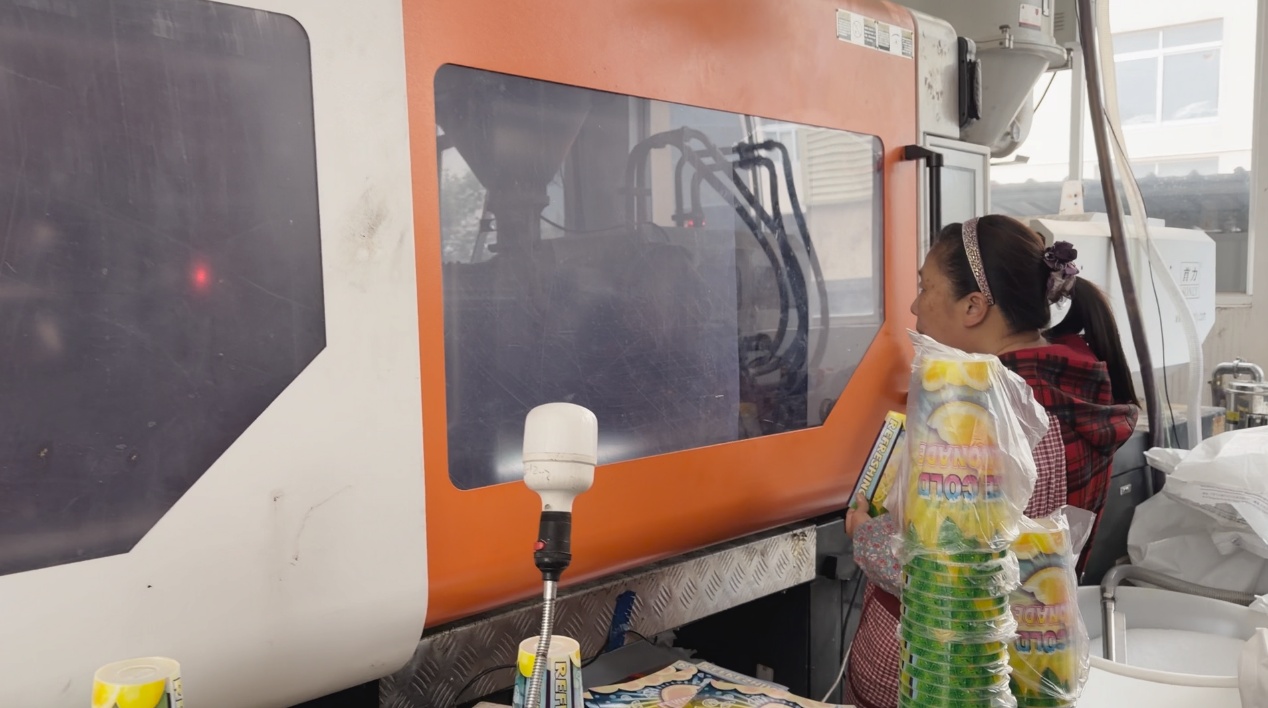
For plastic cups, this means a lighter feel in the hand without compromising durability. For storage boxes, it means less material cost while retaining stacking strength and latch performance.
Beyond Lightweighting: Sourcing Smart in a High-Cost Environment
Reducing material usage is only one part of the equation. Smart brands are also rethinking their sourcing and inventory strategies:
1. Consolidating SKUs
Fewer variations mean larger, more efficient production runs — lowering per-unit cost even when material prices are high.
2. Order planning with lead time visibility
Locking in pricing earlier (by placing orders 4–6 weeks ahead) can help you avoid spot-market increases.
3. Partnering with a responsive, transparent manufacturer
When a factory shares market intelligence and works with you on cost-saving design changes, you're not just buying products — you're gaining a strategic partner.
What This Means for Your Brand
If your product lineup includes plastic drinkware or kitchen storage items, now is the time to review:
- Current material grades and specifications
- Product design for lightweighting potential
- Order forecasting and pricing lock-in opportunities
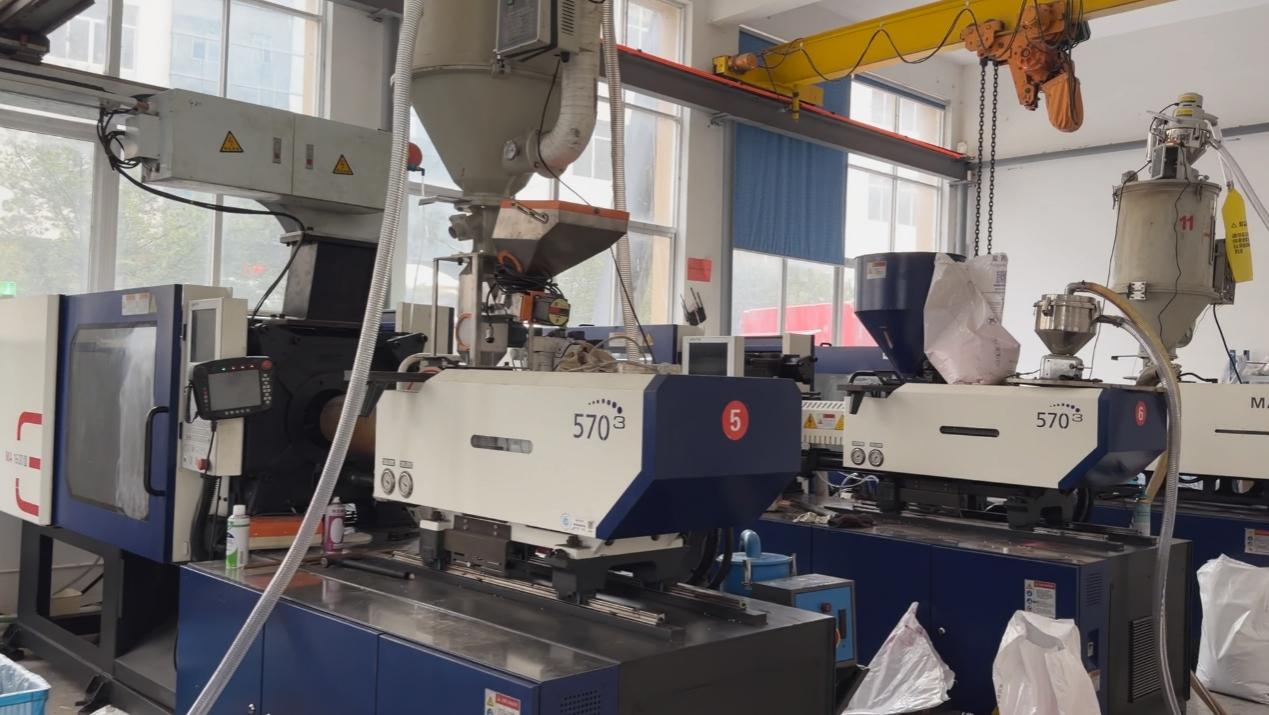
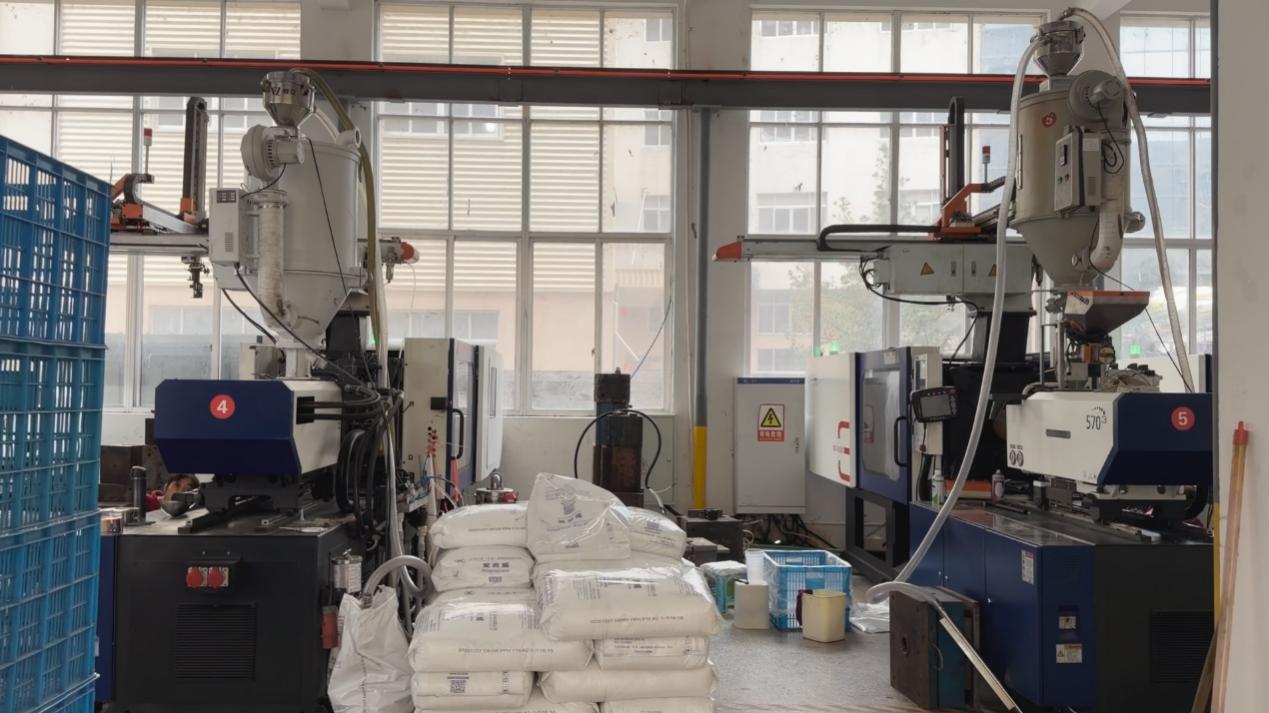
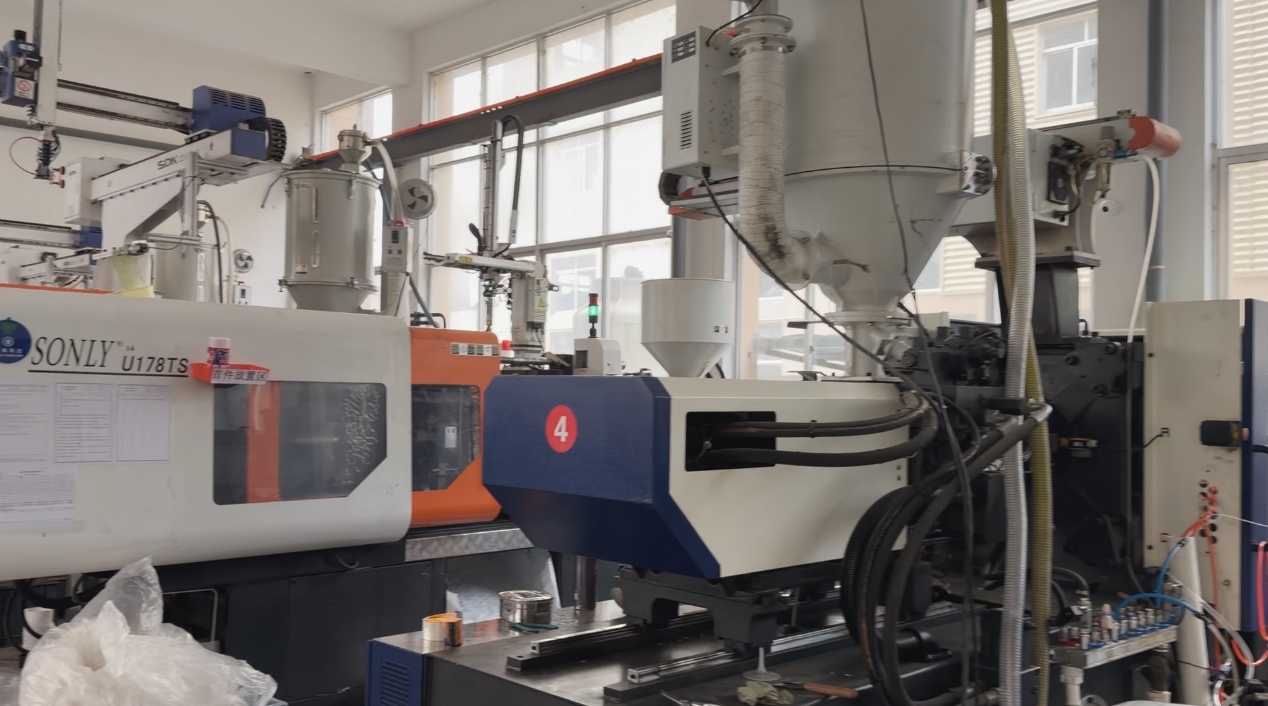
At Suan Houseware, we work closely with our clients to navigate cost fluctuations — not by quietly cutting corners, but by engineering smarter solutions. Our in-house mold design team and production engineers continuously evaluate how to reduce material consumption while maintaining — and often exceeding — quality expectations.
Let's Talk About Your Cost Optimization Strategy
Whether you're launching a new product or looking to improve margins on an existing bestseller, we can help you find the right balance between cost, quality, and performance.
Email: [email protected]
WhatsApp: 86-15679720386
WeChat: suanhouse_michelle
Suan Houseware – Custom Plastic & Silicone Solutions Engineered for Your Success