English
- English
-
 Español
 -
 Português
 -
 русский
 -
 français
 -
 日本語
日本語 -
 Deutsch
 -
 Tiếng Việt
 -
 Italiano
 -
 Nederlands
 -
 ไทย
ไทย -
 Polski
 -
 한국어
한국어 -
 Svenska
 -
 magyar
 -
 Malay
Malay -
 বাংলা
বাংলা -
 Dansk
Dansk -
 Suomi
Suomi -
 हिन्दी
 -
 Pilipino
 -
 Türk
Türk -
 Gaeilge
 -
 عربى
عربى -
 Indonesia
 -
 norsk
norsk -
 اردو
اردو -
 čeština
 -
 Ελληνικά
 -
 Українська
 -
 Javanese
 -
 فارسی
فارسی -
 தமிழ்
தமிழ் -
 తెలుగు
 -
 नेपाली
 -
 Burmese
 -
 български
 -
 ລາວ
ລາວ -
 Қазақ
Қазақ -
 Euskal
 -
 Azərbaycan
 -
 slovenský
 -
 Македонски
 -
 Lietuvos
 -
 Eesti Keel
 -
 Română
 -
 Slovenski
 -
 मराठी
मराठी -
 Српски


Material Guide: Key Differences Between PP and PC Plastic for Daily Use
2026-07-14
Material Guide: Key Differences Between PP and PC Plastic for Daily Use
Plastic materials are indispensable in daily life, with Polypropylene (PP) and Polycarbonate (PC) being two of the most widely used polymers for food containers, water bottles, home appliances and industrial parts. Though both are durable and safe for regular use, they feature distinct pros and cons in heat resistance, transparency, safety and durability, making them suitable for completely different application scenarios.
Polypropylene (PP): The Practical, Food-Safe Daily Choice
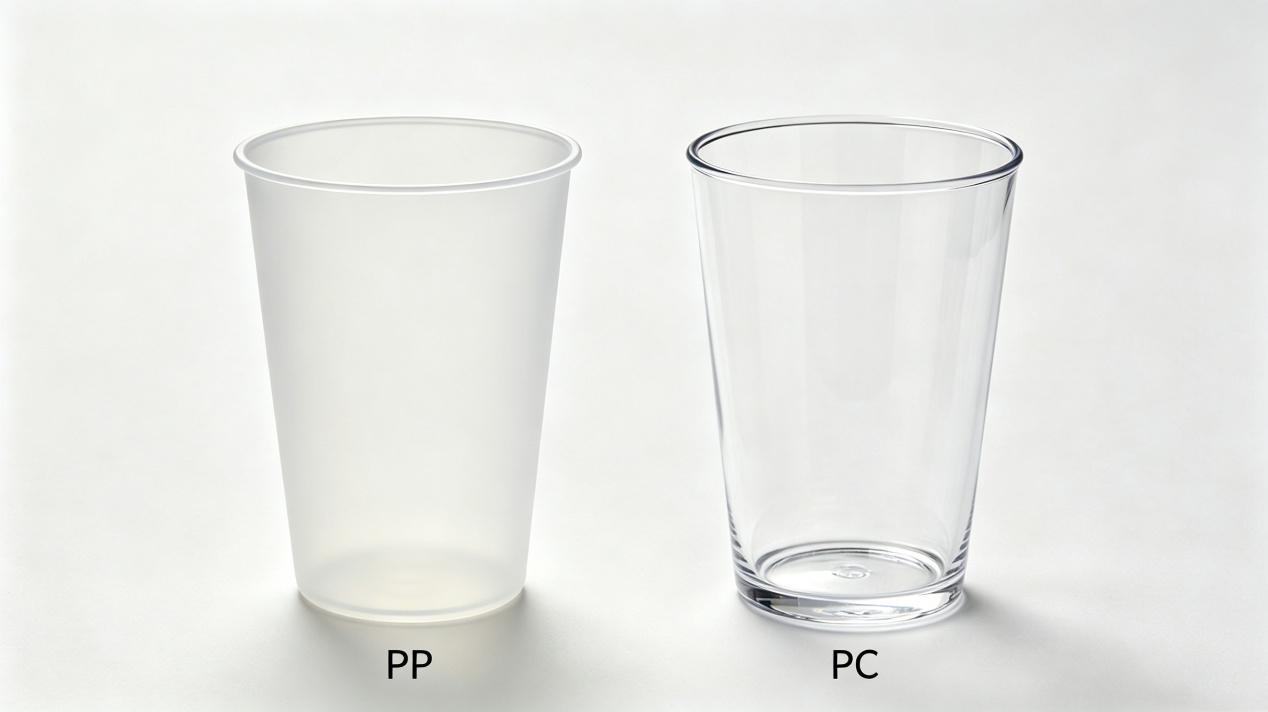
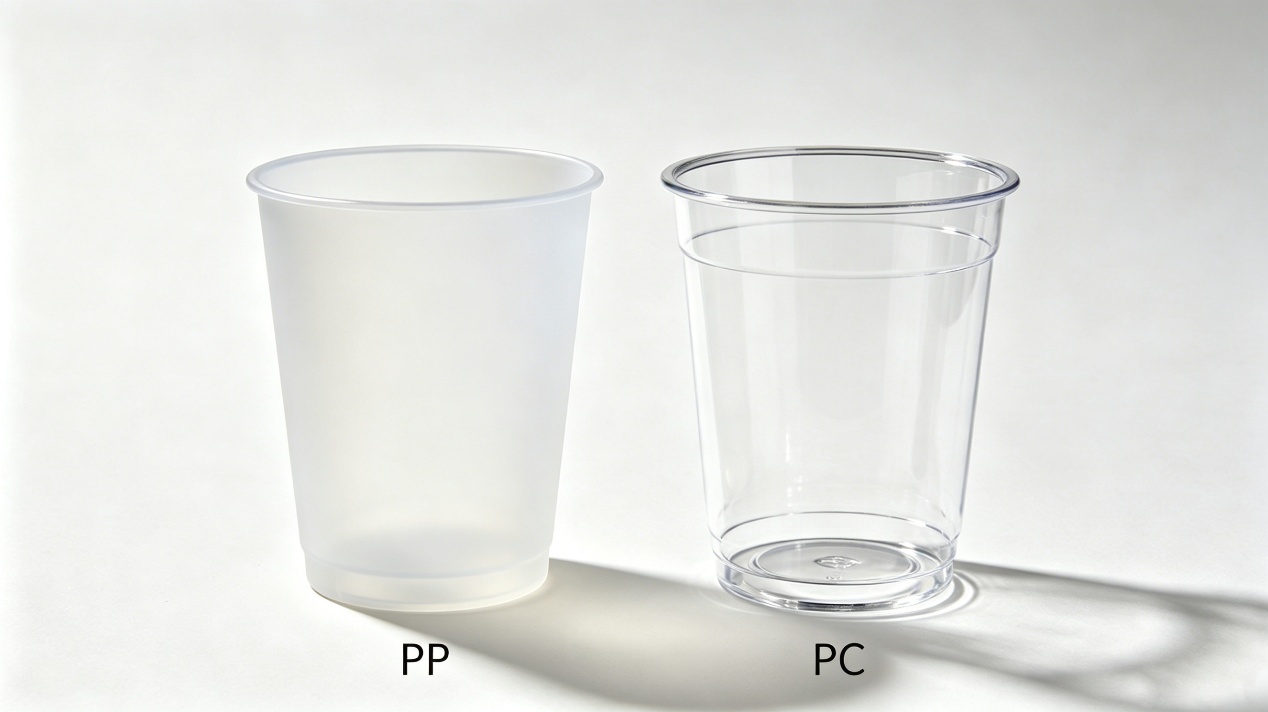
PP, known as polypropylene in Chinese, is a lightweight, flexible and cost-effective plastic that dominates the food packaging and kitchenware market. It has outstanding chemical stability and excellent resistance to acids, alkalis and common cleaning agents, so it will not corrode or deform when contacting beverages, seasonings and daily detergents. In addition, PP boasts extremely low water absorption, ensuring stable performance in long-term daily use.
One of PP’s biggest advantages is its reliable heat resistance and food safety. It can withstand temperatures ranging from -20°C to 120°C, supporting safe microwave heating and high-temperature disinfection without releasing harmful substances. Lightweight and tough, it is not easy to crack even after repeated bending and extrusion, and it is far more affordable than most engineering plastics.
However, PP has obvious limitations. Its transparency is poor, usually appearing milky white or translucent, so it cannot meet the demand for high-transparency decorative or display products. Besides, its surface hardness is relatively low, prone to scratches during daily use, and its toughness will decrease significantly in extremely low-temperature environments.
Polycarbonate (PC): The High-Strength, Crystal-Clear Engineering Plastic
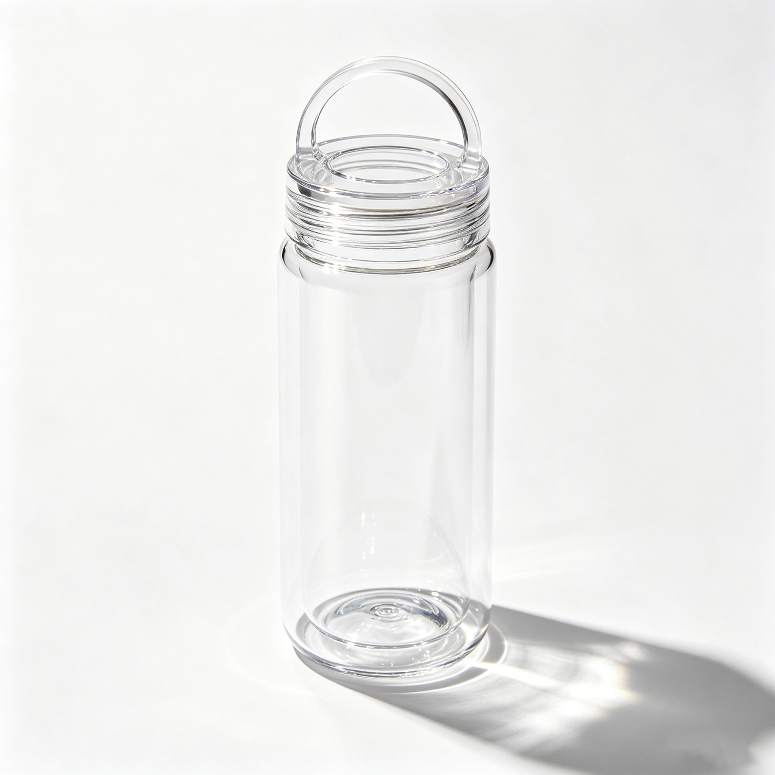
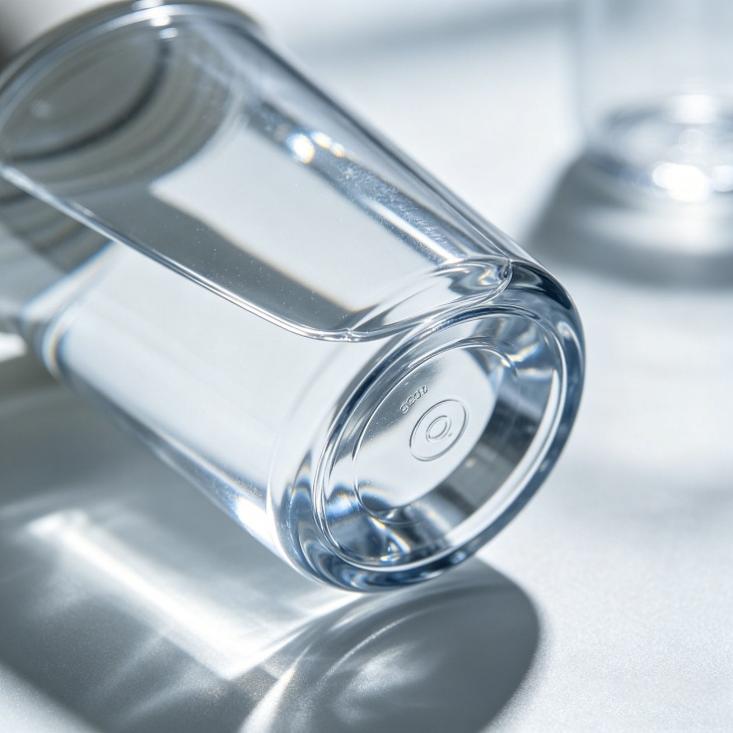
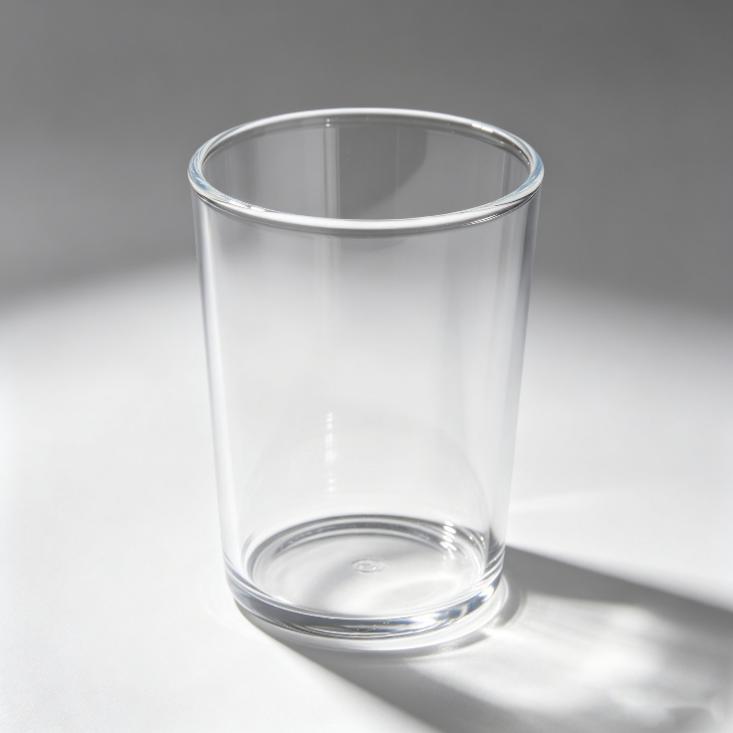
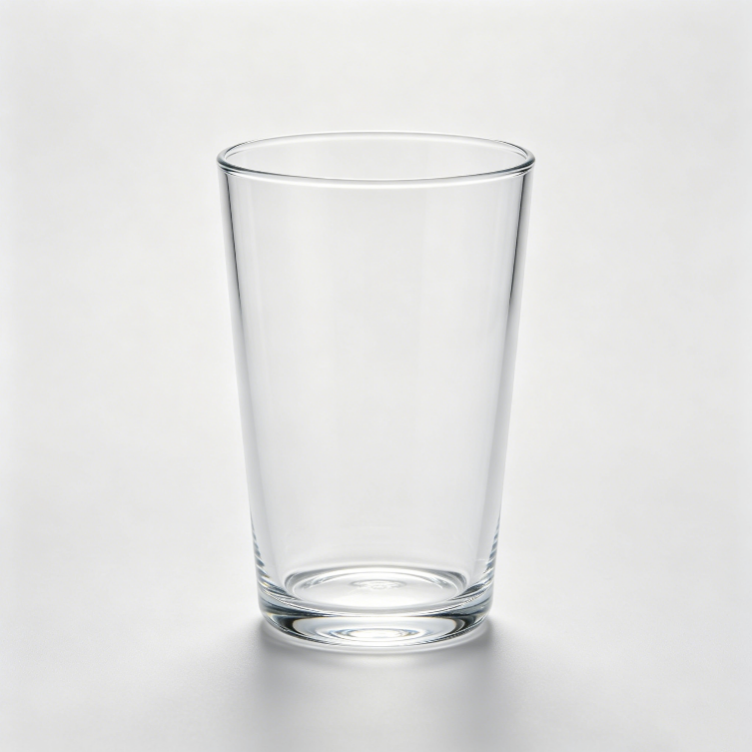
PC, or polycarbonate, is a high-performance engineering plastic famous for its high transparency and super impact resistance, earning it the nickname “bulletproof plastic”. It features glass-like light transmittance, excellent rigidity and stable dimensional stability, and can resist strong impact and compression without cracking. Its working temperature range is wider than PP, from -40°C to 130°C, adapting to more extreme ambient temperatures.
In terms of practical performance, PC is the preferred material for high-grade transparent products, including transparent water cups, lampshades, electronic device shells and protective equipment. Its high strength and wear resistance make it ideal for products requiring structural stability and appearance texture.
Nevertheless, PC has notable drawbacks in safety and durability. The classic concern is Bisphenol A (BPA) precipitation risk. Ordinary PC materials are not suitable for repeated high-temperature heating or long-term storage of hot water, as continuous high-temperature conditions may release trace harmful substances. Moreover, PC is vulnerable to organic solvents such as alcohol and disinfectants, prone to whitening, cracking and aging. Despite its strong impact resistance, it is easy to leave scratches on the surface, and its price is much higher than PP.
Industry Selection Guidelines
Industry experts suggest clear usage principles for the two materials. PP is the best choice for food-grade products that require frequent high-temperature heating, such as microwave lunch boxes, baby tableware and fresh-keeping containers, due to its stable safety and low cost. PC is more suitable for indoor decorative parts, equipment shells and normal-temperature transparent containers that pursue high appearance and impact resistance, but it should avoid high-temperature heating and contact with chemical solvents.
With the upgrading of material technology, BPA-free PC and enhanced PP materials have further optimized their performance, providing safer and more durable options for consumer and industrial markets.