English
- English
-
 Español
 -
 Português
 -
 русский
 -
 français
 -
 日本語
日本語 -
 Deutsch
 -
 Tiếng Việt
 -
 Italiano
 -
 Nederlands
 -
 ไทย
ไทย -
 Polski
 -
 한국어
한국어 -
 Svenska
 -
 magyar
 -
 Malay
Malay -
 বাংলা
বাংলা -
 Dansk
Dansk -
 Suomi
Suomi -
 हिन्दी
 -
 Pilipino
 -
 Türk
Türk -
 Gaeilge
 -
 عربى
عربى -
 Indonesia
 -
 norsk
norsk -
 اردو
اردو -
 čeština
 -
 Ελληνικά
 -
 Українська
 -
 Javanese
 -
 فارسی
فارسی -
 தமிழ்
தமிழ் -
 తెలుగు
 -
 नेपाली
 -
 Burmese
 -
 български
 -
 ລາວ
ລາວ -
 Қазақ
Қазақ -
 Euskal
 -
 Azərbaycan
 -
 slovenský
 -
 Македонски
 -
 Lietuvos
 -
 Eesti Keel
 -
 Română
 -
 Slovenski
 -
 मराठी
मराठी -
 Српски


How To Choose A Plastic Cup Perfect For Children
2024-02-01
When considering children’s plastic cups, there are several important factors to take into account to ensure the product is safe, durable, and suitable for young users:
Material Safety: The plastic used should be BPA-free and free from other harmful chemicals such as phthalates, lead, and cadmium. Look for cups made from food-grade materials that are safe for contact with beverages and food.
Durability: Children can be rough with their belongings, so the cup should be made from sturdy, impact-resistant plastic that can withstand falls and regular use.
Ease of Use: The design should be child-friendly, with a wide base for stability and a comfortable grip that allows children to hold and drink from the cup independently.
Leak-proof and Spill-proof: A secure seal or a well-fitting lid is essential to prevent spills and leaks, which is especially important for on-the-go usage.
Easy to Clean: The cup should be easy to clean to maintain hygiene. It’s preferable if the cup is dishwasher-safe or can be easily washed by hand.
Age Appropriateness: The cup should be labeled with an appropriate age recommendation, ensuring it is designed for the developmental stage of the child.
Safe Attachments: If the cup has a straw or a spout, these should be designed to prevent choking hazards and should be able to be removed for cleaning.
Ecological Considerations: Opt for cups made from recycled materials or those that can be recycled at the end of their life cycle to minimize environmental impact.
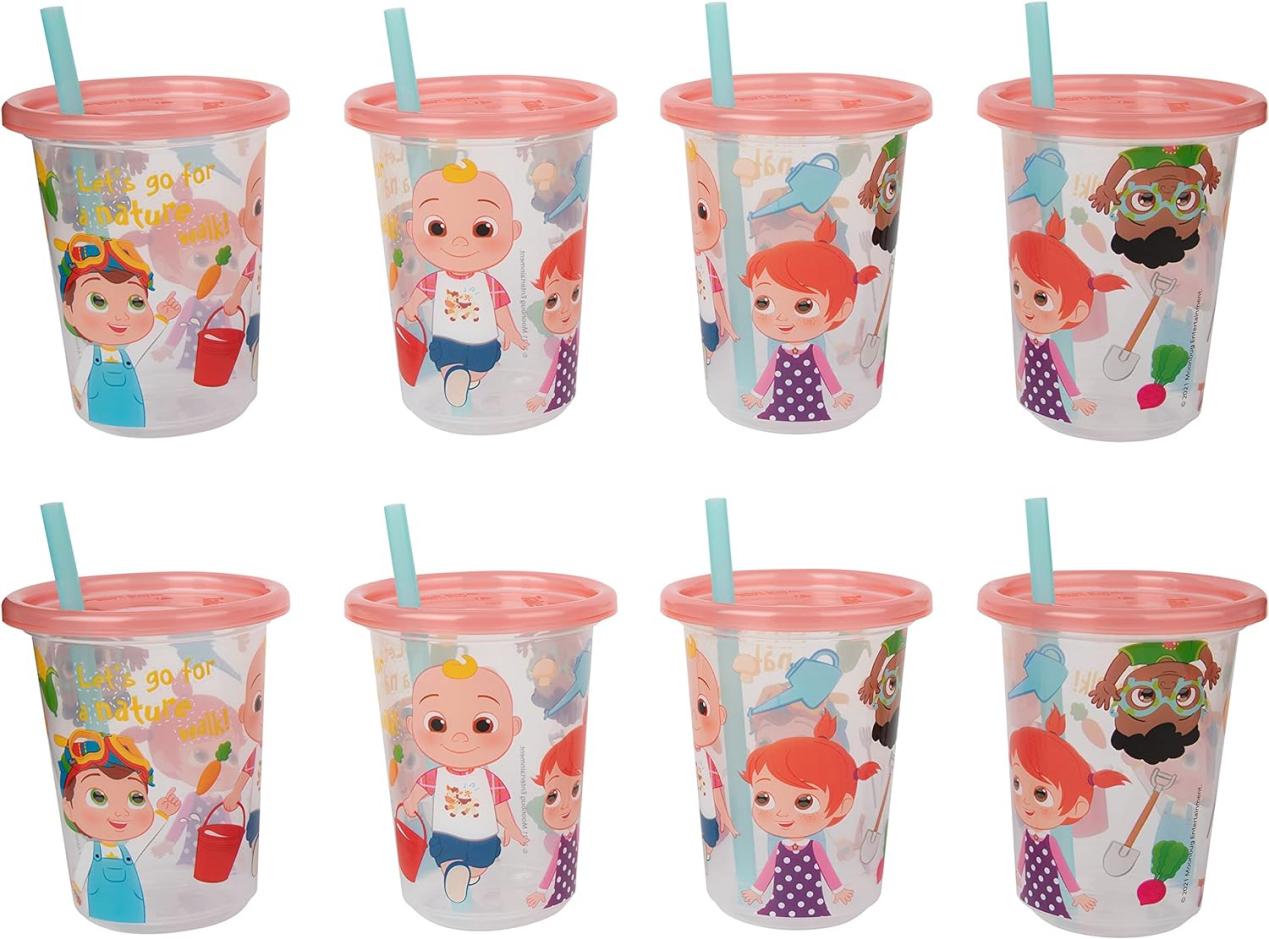
Aesthetic Appeal: Engaging designs with colorful graphics or characters can make the cup more appealing to children and encourage them to drink from it.
Sensory-Friendly: The cup should be smooth and non-toxic, without any sharp edges or rough surfaces that could potentially irritate sensitive skin.
By considering these factors, parents and caregivers can choose a plastic cup that is not only functional but also safe and enjoyable for children to use.