English
- English
-
 Español
-
 Português
-
 русский
-
 français
-
 日本語
-
 Deutsch
-
 Tiếng Việt
-
 Italiano
-
 Nederlands
-
 ไทย
-
 Polski
-
 한국어
-
 Svenska
-
 magyar
-
 Malay
-
 বাংলা
-
 Dansk
-
 Suomi
-
 हिन्दी
-
 Pilipino
-
 Türk
-
 Gaeilge
-
 عربى
-
 Indonesia
-
 norsk
-
 اردو
-
 čeština
-
 Ελληνικά
-
 Українська
-
 Javanese
-
 فارسی
-
 தமிழ்
-
 తెలుగు
-
 नेपाली
-
 Burmese
-
 български
-
 ລາວ
-
 Қазақ
-
 Euskal
-
 Azərbaycan
-
 slovenský
-
 Македонски
-
 Lietuvos
-
 Eesti Keel
-
 Română
-
 Slovenski
-
 मराठी
-
 Српски


China OEM Factory Supplies Food Grade Collapsible Silicone Cup With Custom Logo Printing
2026-09-07
What buyers need to know about sourcing directly from a manufacturer.
The phrase "China OEM factory" appears in countless sourcing searches. But what does it actually mean for buyers of custom silicone cups? And how do you separate reliable manufacturers from middlemen and traders?
This guide focuses specifically on food grade collapsible silicone cups with custom logo printing — explaining the OEM process, quality verification, and what to expect when working directly with a factory.

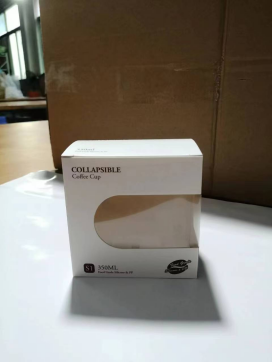

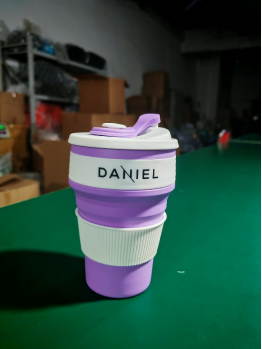
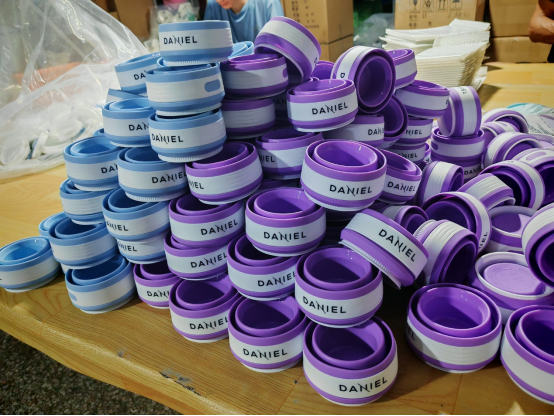

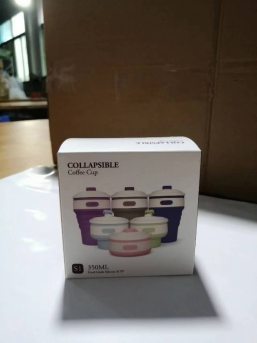

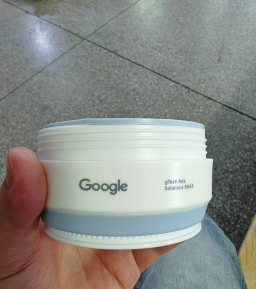
What "OEM Factory" Really Means for Your Project
OEM stands for Original Equipment Manufacturer. In practical terms, an OEM factory:
| Capability | What It Means for You |
| Owns the production equipment | No subcontracting — quality is directly controlled |
| Operates molding machines | Can produce your design without third parties |
| Manages raw material sourcing | Controls silicone quality from the start |
| Handles printing in-house | Logo application under one roof |
| Sets lead times directly | No delays caused by external vendors |
A real factory says yes to samples, welcomes inspections, and shows you the production floor.
Trading companies and middlemen cannot offer these assurances.
Food Grade Certification: What to Verify
Not every factory that claims "food grade" actually delivers it. Here is what to verify before placing an order.
Required Certifications by Market
| Market | Required Standard | What It Tests |
| United States | FDA (21 CFR 177.2600) | Material composition, extractable substances |
| Europe | LFGB | Migration testing, sensory (taste/odor) testing |
| Global | BPA-free | No bisphenol-A or phthalates |
How to Verify a Factory's Claims
| Verification Method | Why It Matters |
| Request current test reports | Certificates expire — ask for recent dates |
| Check report numbers | Verify with issuing lab if suspicious |
| Test your own sample | Send a sample to an independent lab |
| Smell test | Food grade silicone has no chemical odor |
| Stretch test | No permanent white marks = no filler |
A legitimate OEM factory maintains current certifications and shares them without hesitation.
The Custom Logo Printing Process on Silicone
Logo printing on silicone requires specialized equipment and expertise. Not all factories offer the same quality.
Printing Methods for Silicone Cups
| Method | Process | Best For | Durability |
| Screen printing | Ink pressed through mesh screen | Simple logos, solid colors | Very high |
| Pad printing | Ink transferred via silicone pad | Curved surfaces, small areas | High |
| Heat transfer | Film applied with heat and pressure | Full-color, complex artwork | Medium-high |
| Laser engraving | Surface etched by laser | Premium, subtle branding | Permanent |
What Affects Print Quality
| Factor | Impact |
| Ink formulation | Silicone-specific ink bonds to the surface |
| Curing temperature | Proper heat sets the ink permanently |
| Surface preparation | Cleaning removes release agents that repel ink |
| Operator skill | Experienced printers avoid smudging and misalignment |
Ask your factory: What printing method do you recommend for my logo? How many colors? What is your defect rate for printing?
Collapsible Design: Engineering Considerations
The folding mechanism is what makes a collapsible cup collapsible. Quality varies significantly between factories.
How a Collapsible Cup Works
| Component | Function |
| Flexible walls | Concentric rings allow folding |
| Rigid rim | Maintains shape when expanded |
| Rigid base | Provides stability on flat surfaces |
| Silicone material | Flexible enough to fold, strong enough to hold liquid |
Quality Indicators
| Feature | Good Quality | Poor Quality |
| Folding action | Smooth, even collapse | Stiff, uneven, or sticks |
| Expanded stability | Stands firmly on flat surface | Wobbles or tips over |
| Wall thickness | Consistent throughout | Variable, thin spots |
| Return to shape | Springs back fully | Remains partially collapsed |
Common Failure Points
| Problem | Cause | How to Avoid |
| Cracking at fold lines | Poor material, insufficient flex life | Request flex cycle testing |
| Leaking from base | Improper molding, thin spots | Inspect sample thoroughly |
| Lid fit issues | Inconsistent dimensions | Measure multiple samples |
A reliable OEM factory designs molds to withstand thousands of folding cycles.
The OEM Process: Step by Step
When you work directly with a factory, this is the typical workflow.
Phase 1: Specification
| Step | What Happens |
| 1 | You provide target capacity, colors, logo artwork |
| 2 | Factory recommends existing mold or quotes new mold |
| 3 | Material grade and certification requirements confirmed |
Phase 2: Sampling
| Step | What Happens | Timeline |
| 4 | Factory produces first samples | 7-15 days |
| 5 | You inspect and test samples | Varies |
| 6 | Feedback and revisions (if needed) | 3-7 days |
| 7 | Final sample approval | — |
Phase 3: Production
| Step | What Happens | Timeline |
| 8 | Raw material preparation | 2-5 days |
| 9 | Molding and printing | 15-25 days |
| 10 | Quality inspection | 2-3 days |
| 11 | Packaging | 2-5 days |
Phase 4: Delivery
| Step | What Happens |
| 12 | Pre-shipment video or photos |
| 13 | Final payment (if balance due) |
| 14 | Shipping and documentation |
Total typical timeline: 30-45 days from deposit to shipment for custom logo orders on existing molds.
MOQ, Pricing, and Lead Time Expectations
Minimum Order Quantities
| Order Type | Typical MOQ |
| Stock cup + custom logo | 1,000 – 3,000 pieces |
| Existing mold + custom color | 3,000 – 5,000 pieces |
| New mold + custom design | 5,000 – 10,000 pieces |
| Sample order | 1 – 50 pieces (sample fee applies) |
Pricing Components
| Cost Element | Description |
| Mold fee (if new) | One-time tooling cost |
| Unit price | Per-piece cost decreases with volume |
| Printing setup fee | Per-color or per-design charge |
| Packaging | Poly bag, pouch, or box |
| Shipping | Varies by destination and method |
Lead Times from China OEM Factories
| Stage | Typical Days |
| Sample production | 5-10 days |
| Sample shipping (express) | 3-7 days |
| Mass production (existing mold) | 15-20 days |
| Mass production (new mold) | 30-40 days |
| Sea freight to US/Europe | 25-40 days |
| Air freight | 5-10 days |
Plan ahead. Promotional timelines often require 60-90 days from initial inquiry to delivery.
Quality Control: What a Real Factory Does Differently
Incoming Material Inspection
| Check | Purpose |
| Raw silicone batch test | Verify no filler, consistent properties |
| Certification verification | Confirm FDA/LFGB compliance |
| Odor and appearance | Detect contamination early |
In-Process Inspection
| Check | Frequency |
| Dimensional accuracy | Every X shots |
| Visual inspection | Continuous |
| Print quality | Every X shots |
Final Inspection (Before Packing)
| Check | Sample Rate |
| Full visual | 100% or AQL sampling |
| Function test | Random sample |
| Packaging verification | Carton by carton |
Pre-Shipment Verification
| Action | Purpose |
| Video of packed order | Confirm quantity and packaging |
| Photo of carton labels | Verify correct shipping marks |
| Seal photos | Document container loading |
A factory that cannot provide pre-shipment verification is not ready for serious buyers.
Red Flags When Sourcing from China
| Red Flag | Why It's a Problem |
| No physical factory address | Likely a trading company |
| Cannot provide current certifications | May not actually be food-grade |
| Refuses samples before bulk | Hiding quality issues |
| Price is significantly lower than market | Using filler material or recycled silicone |
| Pressure to pay 100% upfront | No leverage if problems arise |
| No pre-shipment verification | You will not know what you get until it arrives |
Why Choose Suan Houseware as Your OEM Partner
Factory Facts
| Detail | Specification |
| Location | Hengyang, Hunan, China |
| Own production | 12 silicone molding machines |
| Material | Food grade silicone, BPA free |
| Certifications | FDA, LFGB, BPA-free |
| In-house printing | Screen print, pad print, heat transfer |
| Custom mold design | In-house engineering team |
What We Offer Promotional Buyers
| Service | Availability |
| Stock folding cups | Yes — multiple sizes and colors |
| Custom logo printing | Yes — any design, any placement |
| Custom mold development | Yes — exclusive shapes for your brand |
| Custom packaging | Yes — poly bag, pouch, gift box |
| Pre-shipment video | Yes — every order |
| Small MOQ for sampling | Yes — sample orders welcome |
Typical Lead Times from Suan Houseware
| Order Type | Our Lead Time |
| Samples | 5-7 days |
| Custom logo (stock cup) | 15-20 days |
| Custom mold + logo | 30-40 days |
| Rush orders | As fast as 10 days |
How to Start Your OEM Project
Step 1: Define Your Requirements
Target capacity (8oz, 12oz, 16oz, etc.)
Desired colors (provide Pantone codes)
Logo artwork (vector file preferred)
Estimated quantity
Step 2: Request Samples
Ask for existing stock samples (fastest)
Request custom printed samples (if logo is critical)
Step 3: Verify Quality
Perform smell test, stretch test, and collapse test
Request certification documents
Step 4: Place Order
Confirm pricing, MOQ, lead time, payment terms
Sign production contract or proforma invoice
Step 5: Approve Samples
Review pre-production samples
Confirm color, print placement, and quality
Step 6: Production and Delivery
Factory produces your order
Pre-shipment video provided
Shipping arranged
Ready to Work with a Real OEM Factory?
If you are sourcing food grade collapsible silicone cups with custom logo printing, work directly with the manufacturer — not a middleman.
Email: [email protected]
WhatsApp: 86-15679720386
WeChat: suanhouse_michelle
Web: www.suanhouse.com
Suan Houseware – Your Direct OEM Partner for Custom Silicone Cups