English
- English
-
 Español
 -
 Português
 -
 русский
 -
 français
 -
 日本語
日本語 -
 Deutsch
 -
 Tiếng Việt
 -
 Italiano
 -
 Nederlands
 -
 ไทย
ไทย -
 Polski
 -
 한국어
한국어 -
 Svenska
 -
 magyar
 -
 Malay
Malay -
 বাংলা
বাংলা -
 Dansk
Dansk -
 Suomi
Suomi -
 हिन्दी
 -
 Pilipino
 -
 Türk
Türk -
 Gaeilge
 -
 عربى
عربى -
 Indonesia
 -
 norsk
norsk -
 اردو
اردو -
 čeština
 -
 Ελληνικά
 -
 Українська
 -
 Javanese
 -
 فارسی
فارسی -
 தமிழ்
தமிழ் -
 తెలుగు
 -
 नेपाली
 -
 Burmese
 -
 български
 -
 ລາວ
ລາວ -
 Қазақ
Қазақ -
 Euskal
 -
 Azərbaycan
 -
 slovenský
 -
 Македонски
 -
 Lietuvos
 -
 Eesti Keel
 -
 Română
 -
 Slovenski
 -
 मराठी
मराठी -
 Српски


Blue vs. Green What Your Glass Bottle's Tint Says About Quality
2026-06-01
Blue vs. Green: What Your Glass Bottle's Tint Says About Quality
A Question Many Buyers Ask
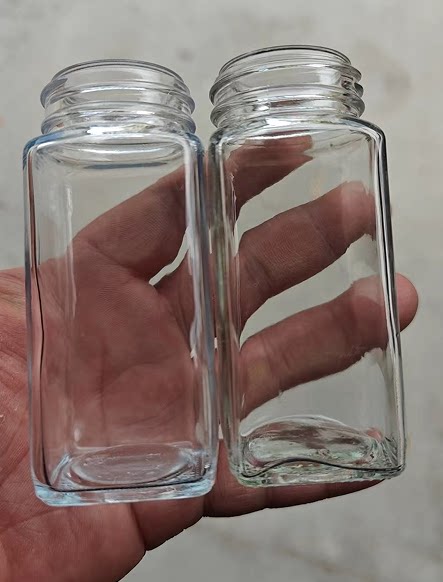
If you've ever sourced glass oil bottles, vinegar cruets, spice jars, or condiment containers, you may have noticed something interesting: some bottles have a faint blue tint when you hold them up to light, while others lean toward green.
Is this just an aesthetic difference? Or does it tell you something important about quality, safety, and performance?
The short answer: Yes, it matters.
In this article, we'll explain the science behind glass color, show you how to tell the difference at a glance, and explain why choosing the right glass matters for your brand and your customers.
Why Does Glass Glow Green or Blue?
The color isn't a design choice. It comes from the raw materials — specifically, the iron content in the sand used to make the glass.
Green Glow – Standard Soda-Lime Glass
Most ordinary glass bottles are made from soda-lime glass. The quartz sand used in this process naturally contains trace amounts of iron (typically 0.1% or more). When melted, the iron exists primarily as ferrous ions (Fe²⁺), which absorb red and blue light and transmit green light.
The result: a subtle green or blue-green tint. Thicker glass sections — like bottle bases or heavy walls — will appear noticeably greener.
|
Characteristic |
Standard Soda-Lime Glass |
|---|---|
|
Tint |
Green or blue-green |
|
Iron content |
0.1% or higher |
|
Clarity |
Moderate; colors appear slightly muted through the glass |
|
Cost |
Lower – widely available |
|
Best for |
Budget-friendly products, short-term use, non-premium packaging |
Blue / Crystal-Clear Glow – Low-Iron / Ultra-Clear Glass
When glass appears faintly blue or nearly colorless, you're looking at low-iron or ultra-clear glass. The iron content has been reduced to less than 0.01% — about 1/10 of standard glass or lower.
The result: Exceptional clarity with only the faintest blue tint (or completely colorless). Premium glass types like borosilicate also fall into this category.
|
Characteristic |
Low-Iron / Ultra-Clear Glass |
|---|---|
|
Tint |
Faint blue, cool white, or completely colorless |
|
Iron content |
Less than 0.01% |
|
Clarity |
Excellent – true-to-life color transmission |
|
Cost |
Higher – reflects superior raw materials |
|
Best for |
Premium brands, oil & vinegar, luxury gifts, long-term use |
Which Is Better for Oil & Spice Bottles?
For kitchen and food applications — especially products like oil, vinegar, soy sauce, and spices — the choice is clear.
Blue-Tint / High-Clarity Glass — Recommended
|
Advantage |
Why It Matters |
|---|---|
|
Higher purity |
Lower iron content means better chemical stability and higher resistance to acids |
|
Safer for long-term use |
Less risk of iron or other impurities interacting with contents over time |
|
True color presentation |
Customers see the actual color of your product — oil, vinegar, spices appear as intended |
|
Premium perception |
Ultra-clear glass communicates quality, craftsmanship, and attention to detail |
|
Heat resistance (borosilicate) |
Some high-clarity glass types can withstand dishwasher temperatures and thermal shock |
For brand owners building a premium kitchen line, low-iron or borosilicate glass is the professional choice.
Green-Tint Glass — The Budget Option
|
Disadvantage |
Why It Matters |
|---|---|
|
Lower purity |
Standard soda-lime glass with typical iron content |
|
Potential interaction |
Over long periods, trace iron may interact with acidic contents |
|
Color distortion |
The green tint changes how contents appear — oil may look dull, spices less vibrant |
|
Perceived value |
Green-tint glass is often associated with lower-cost, mass-market products |
Green-tint glass is cost-effective and fine for short-term use or disposable packaging. But for reusable, premium, or long-shelf-life products, it is not the best choice.
Quick Field Test: How to Tell at a Glance
You don't need a laboratory. Just use your eyes.
|
Test |
Green Glass (Standard) |
Blue / Clear Glass (Premium) |
|---|---|---|
|
Look at the base or thick edge |
Distinct green or blue-green tint |
Faint blue, cool white, or nearly colorless |
|
Hold up to white light |
Dull, slightly "milky" green appearance |
Bright, transparent, no obvious color cast |
|
Compare side by side |
Noticeably greener |
Noticeably clearer |
That simple check will tell you most of what you need to know.
What This Means for Your Sourcing Decisions
If you're sourcing glass bottles for oil, vinegar, spices, or condiments, the glass you choose sends a message:
|
Glass Type |
Message to Your Customer |
|---|---|
|
Green tint |
"This works. It's affordable." |
|
Blue / clear tint |
"This is quality. We care about what's inside — and how it looks." |
For everyday, low-cost, or single-use products, standard glass may be appropriate. But for premium kitchen brands, gift sets, house brands, and products intended for repeat use, low-iron or ultra-clear glass is the superior choice.
How Suan Houseware Can Help
We offer custom glass bottle solutions for kitchen and food brands:
|
Service |
What We Deliver |
|---|---|
|
Material selection |
Standard soda-lime OR low-iron / ultra-clear glass — you choose |
|
Custom bottle shapes |
Standard molds or exclusive designs developed just for you |
|
Logo printing |
Screen printing, frosted/etching effects, full-color decoration |
|
Closures & accessories |
Wooden lids, pour spouts, shaker tops, silicone seals |
|
Packaging |
Gift boxes, sleeves, PDQ displays, master cartons |
|
Certifications |
Food-grade safe; documentation available |
Let's Talk About Your Glass Packaging
Whether you're launching a premium oil line, refreshing your spice jar packaging, or looking for a reliable glass supplier who understands quality — we're here to help.
Email: [email protected]
WhatsApp: 86-15679720386
WeChat: suanhouse_michelle
Web: www.suanhouse.com
Suan Houseware – Custom Glass, Plastic & Silicone Solutions for Kitchen & Drinkware Brands